
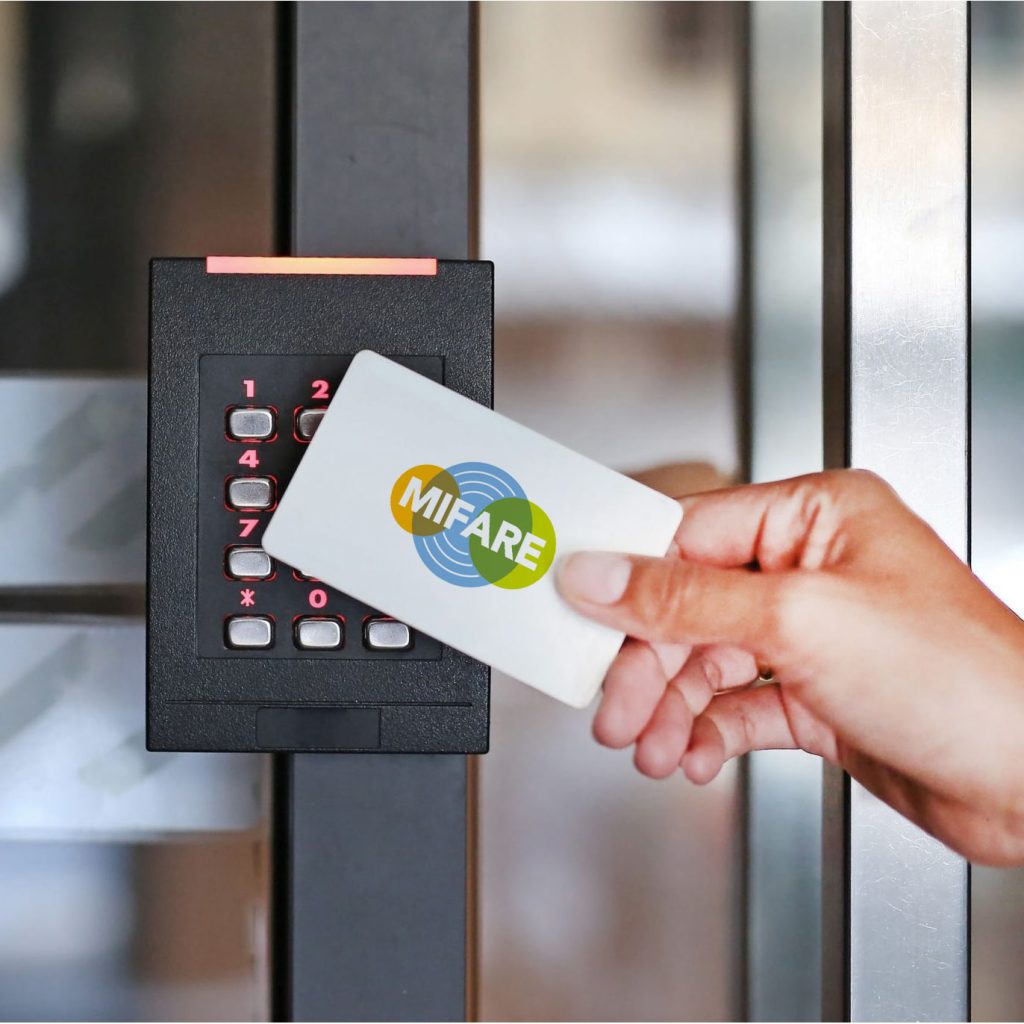
Time tracking and clocking machines have become an integral part of workplace management, enabling organisations to monitor attendance, allocate resources, and optimise workflows. While traditionally seen as a tool for accountability, modern time-tracking systems offer far more than just record-keeping.
They have evolved into sophisticated solutions that can provide insights into employee behaviour, work patterns, and productivity trends. However, the question remains: can accurate time tracking genuinely enhance employee engagement and overall productivity?
This blog explores how precise and transparent time tracking can create a more engaging work environment while improving efficiency. From fostering trust to identifying productivity opportunities, accurate time tracking is a practical tool for organisations and a mechanism for empowering employees.
Let’s delve into how this technology can bring about these positive changes.
Understanding Time Tracking
Time tracking refers to systematically recording employees’ working hours, tasks, and attendance. Over the years, businesses have shifted from manual punch cards to advanced digital systems that use biometric data, cloud platforms, and mobile apps.
This transformation has not only improved the accuracy of time tracking but also provided organisations with valuable insights into workforce trends.
The importance of precision in time tracking cannot be overstated. An accurate system eliminates errors, ensures compliance with labour laws, and creates a foundation of trust.
By capturing reliable data, companies can focus on more strategic goals rather than wasting resources on resolving timekeeping disputes or inaccuracies.

The Link Between Time Tracking and Employee Engagement
Accurate time tracking fosters transparency, which is a cornerstone of employee engagement. When employees can see how their time is recorded and understand how it impacts payroll and project management, they feel a stronger sense of trust in the organisation.
This transparency reassures them that their contributions are fairly recognised, eliminating doubts or concerns about errors in compensation or scheduling.
Moreover, time-tracking systems empower employees to take ownership of their schedules. With tools that allow workers to log hours, request leave, or view their attendance history, employees gain greater control over their work-life balance.
This empowerment boosts morale and encourages a sense of fairness, both of which are crucial to maintaining high engagement levels.
The Role of Time Tracking in Boosting Productivity
Accurate time tracking enables businesses to identify productivity patterns across teams and individuals. For instance, analysing data may reveal peak hours during the day or inefficiencies in specific workflows.
Armed with this knowledge, managers can make informed decisions about resource allocation, task prioritisation, and employee scheduling to optimise productivity.
Additionally, modern time-tracking tools integrate with project management software, providing real-time updates on task progress. This allows teams to stay aligned and reduces the chances of miscommunication or duplicated efforts.
By streamlining workflows and offering actionable insights, accurate time tracking minimises time wastage and helps employees focus on their most meaningful work.
Avoiding Common Pitfalls
While time tracking can have many benefits, it’s essential to avoid potential drawbacks such as micromanagement. If employees feel excessively monitored, it can lead to reduced morale and a sense of mistrust. Striking the right balance between oversight and autonomy is key to ensuring time tracking is seen as a supportive tool rather than an intrusive one.
To prevent these issues, organisations must be transparent about the purpose of time tracking. Employees should understand that the goal is to improve efficiency and fairness, not to scrutinise every minute of their day.
Offering proper training on the system’s use and addressing any concerns upfront can help create a positive perception of time tracking.

Best Practices for Implementing Accurate Time Tracking Systems
To ensure the success of a time-tracking system, organisations must prioritise user-friendly technology. Employees are more likely to engage with tools that are intuitive and accessible.
For example, mobile apps that allow workers to log time or view schedules on the go can significantly enhance adoption rates and improve accuracy.
Moreover, regular feedback is vital to optimise the system. Organisations should periodically review the data and seek input from employees to address any challenges or improve functionality.
By maintaining open communication, businesses can foster a sense of collaboration and ensure the system continues to meet everyone’s needs effectively.
Conclusion
Accurate time tracking is more than just an administrative necessity; it is a powerful tool that can drive engagement and productivity when implemented thoughtfully.
By fostering transparency and empowering employees to take control of their schedules, time tracking helps create a fairer, more efficient workplace.
Organisations that invest in precise time tracking systems not only streamline operations but also build trust and morale among their workforce. As businesses continue to adapt to modern challenges, accurate time tracking offers a valuable opportunity to enhance both employee experience and organisational performance.
Now is the time to embrace its potential and reap the rewards.